National Park Mistakes to Avoid: Safety and Planning
What are the biggest mistakes visitors make at national parks?
The biggest mistakes at national parks usually come down to underestimating the environment, overestimating time and cell service, and ignoring basic safety rules. Parks can feel convenient at the entrance and then turn remote fast—limited fuel, limited water, and long distances between viewpoints and trailheads.
Showing up without a realistic plan
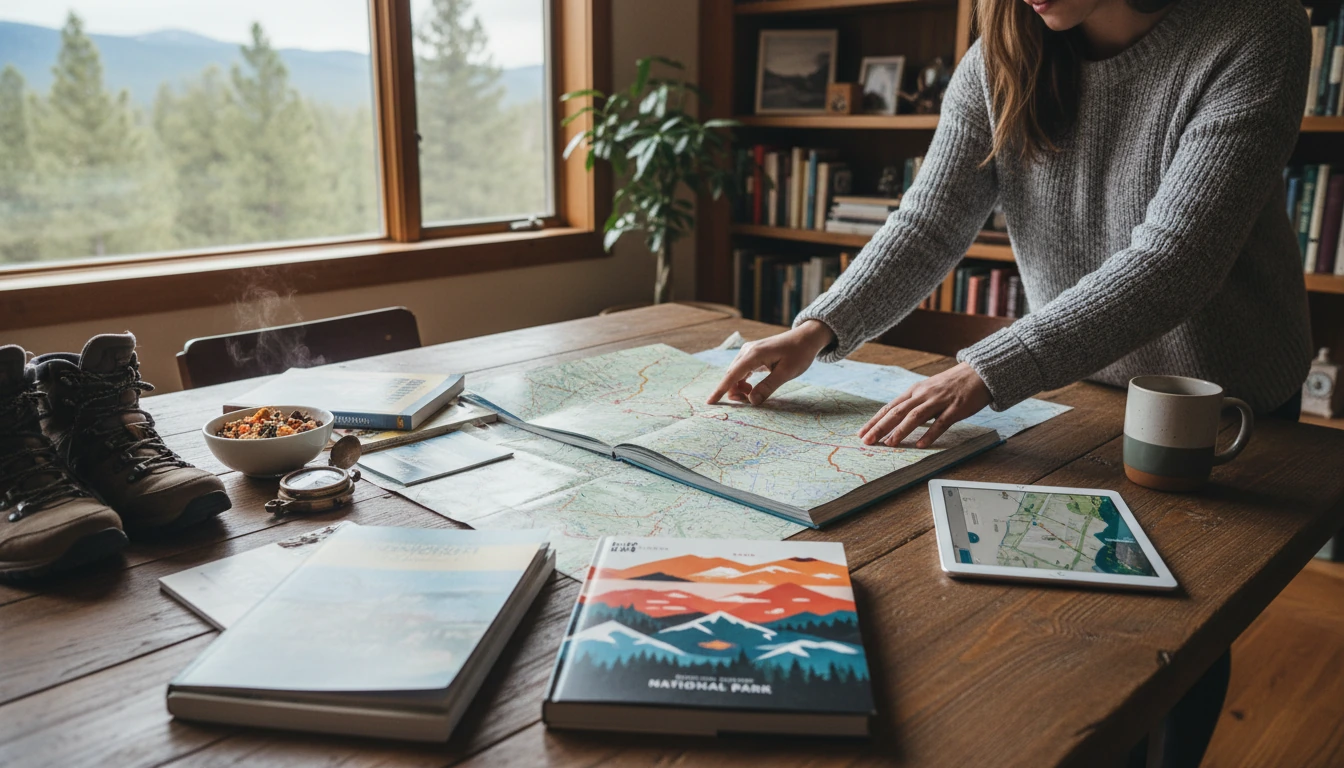
A common misstep is trying to “see it all” in one day. Traffic, parking lots that fill early, shuttle waits, and slow scenic roads can turn a short list of stops into an exhausting scramble. Pick a few priorities, build in buffer time, and know where restrooms, water, and fuel are located.
Not packing the essentials
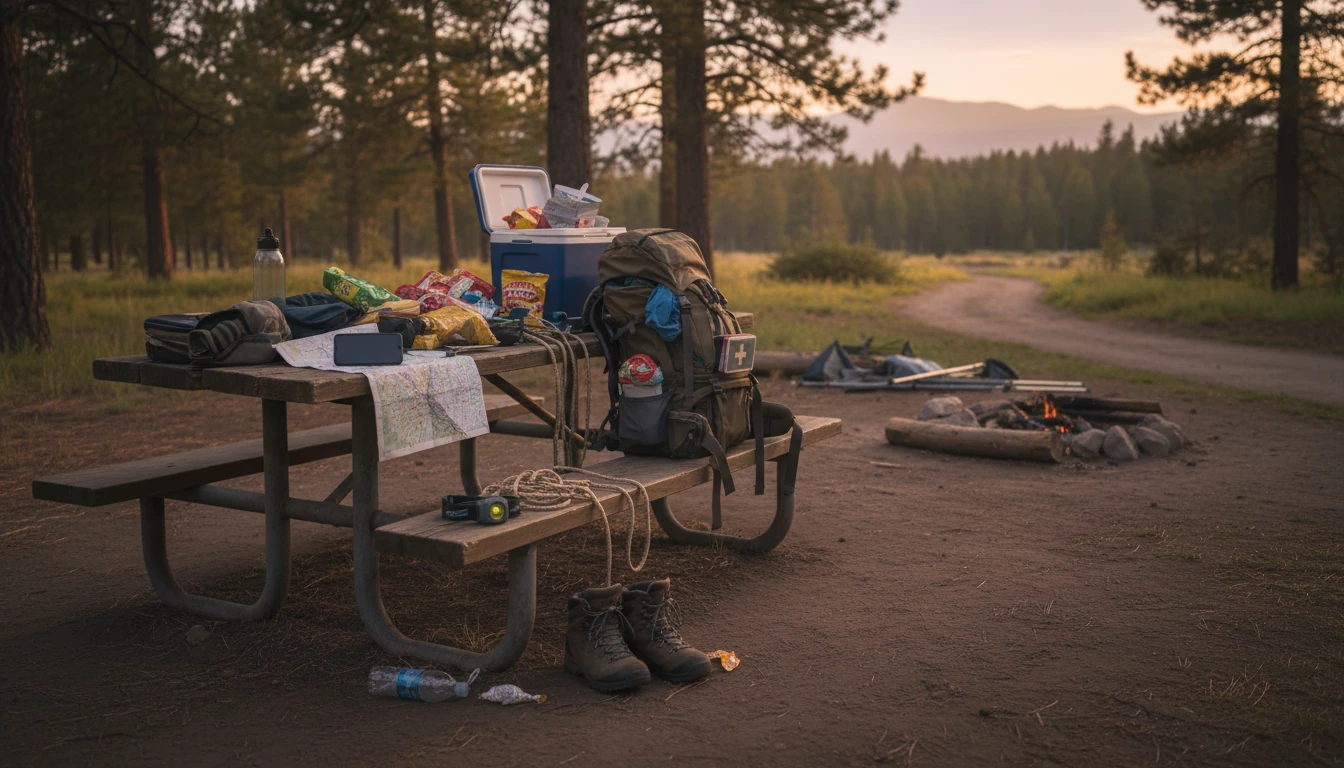
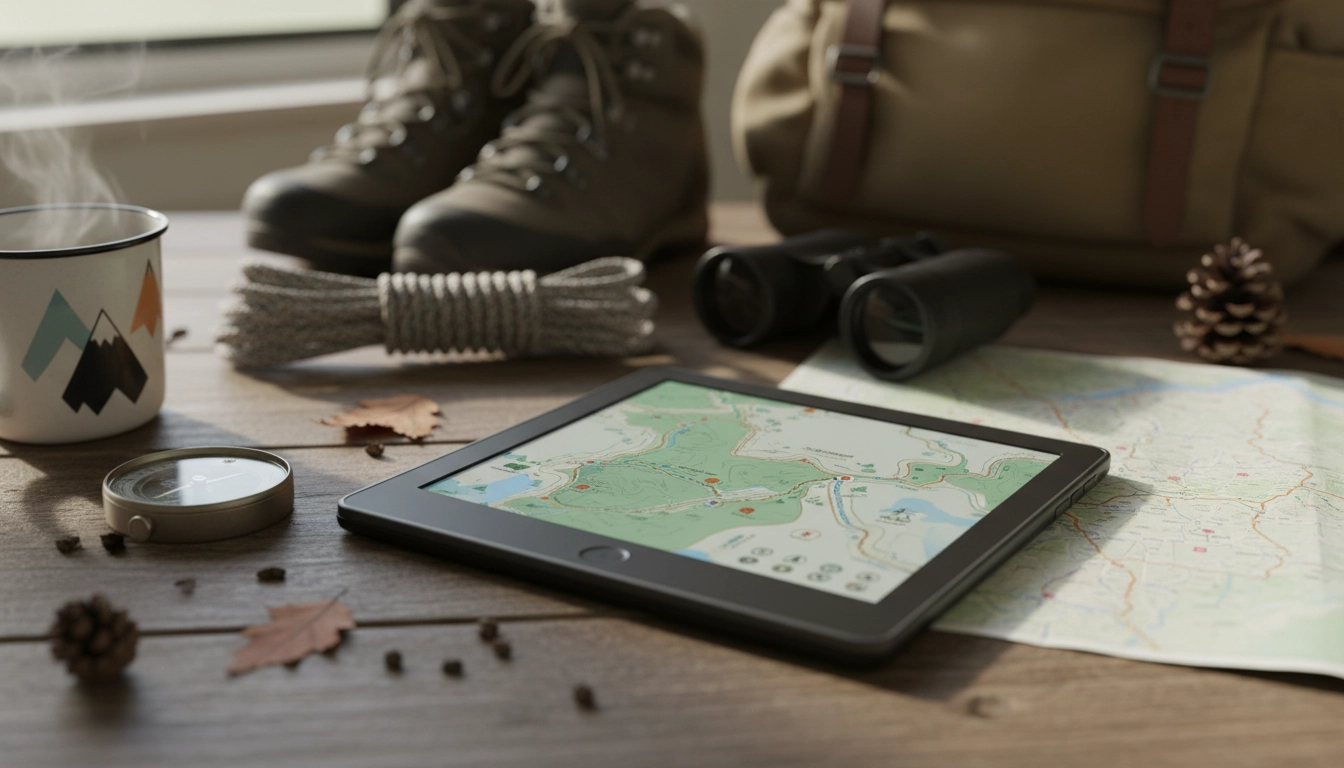
Visitors often bring a camera and snacks but skip the basics: plenty of water, sun protection, layers for temperature swings, and a paper map or downloaded offline map. Even short walks can become risky with heat, altitude, or sudden weather changes.
Getting too close to wildlife
Wild animals are unpredictable, even when they look calm. Approaching for photos can lead to injuries, fines, and harm to the animal. Use zoom, stay on designated areas, and follow posted distance rules.
Ignoring trail and weather warnings
Closed trails, lightning alerts, flash-flood advisories, and wildfire smoke aren’t suggestions. People get into trouble by pushing forward “just a little farther” or hiking into narrow canyons during storms. If rangers post a warning, treat it like a hard stop.
Leaving no room for Leave No Trace
Feeding animals, going off-trail, carving names, and leaving trash can permanently damage fragile landscapes. Stay on marked paths, pack out all waste, and keep noise down so others can enjoy the park too.
For quick planning facts, timing tips, and park-by-park ideas, see this guide to 10 must-see U.S. national parks.
FAQ
What should I pack for a day at a national park?
Bring more water than you think you’ll need, sun protection, a light jacket, snacks, a basic first-aid kit, and a map (paper or offline). If you’ll hike, add sturdy shoes and a headlamp in case you’re delayed.









Leave a comment