Calm Your Mind: Guided Audio Meditations for Anxiety
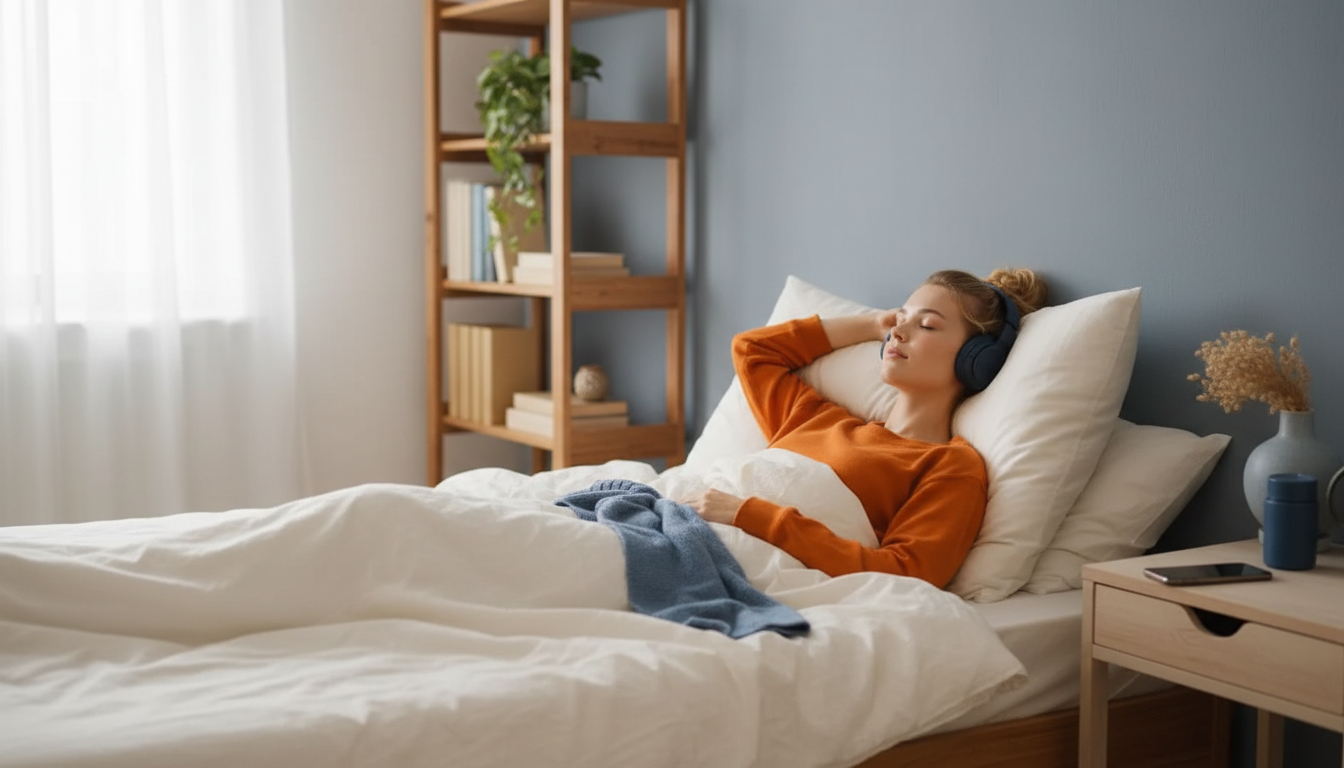
Calm Your Mind: A Guided Meditation Audio Course for Anxiety Relief
Racing thoughts, a tight chest, and a constant sense of alertness can make even simple days feel heavy. A guided meditation series can help create a repeatable routine for settling the nervous system, unclenching mental tension, and returning attention to the present—especially when anxiety spikes. This audio course is designed for practical, listen-anywhere support that fits into mornings, work breaks, or winding down at night.
What a guided meditation series can do for anxious moments
When anxiety is loud, it’s hard to “figure out what to do” in real time. Guided audio can act like a steady handrail—simple cues, a supportive voice, and a familiar flow that reduces the mental load of making choices while stressed.
- Creates a steady structure when the mind feels scattered, using voice guidance to reduce decision fatigue.
- Supports regulation of stress responses through paced breathing, body awareness, and attention training.
- Helps interrupt worry loops by gently redirecting attention back to sensations, sound, or a calming visualization.
- Builds consistency: short, repeatable sessions can be more helpful than occasional long sessions.
- Pairs well with other supports like therapy, exercise, journaling, and sleep hygiene.
Mindfulness and meditation have been widely studied as supportive tools for stress and anxiety. For a deeper overview of how meditation is used and what research suggests, see the National Center for Complementary and Integrative Health (NCCIH) — Meditation: In Depth and the American Psychological Association — Mindfulness meditation.
Who this audio course is best for
A guided series is especially useful when silence feels intimidating or when anxiety tends to strike at predictable times.
- Beginners who want step-by-step guidance rather than meditating in silence.
- People who experience anxiety at specific times (morning dread, mid-day overwhelm, nighttime rumination).
- Listeners who prefer an audio routine they can follow while sitting, lying down, or traveling.
- Anyone building a daily calming practice for stress management, emotional resilience, and better sleep.
How to use the series for a “3-part reset” (morning, midday, night)
Think of the series as three small check-ins across the day. Each one has a different job: set a baseline, release built-up tension, and soften the mental grip at night.
- Morning (2–10 minutes): start with breath awareness to set a calmer baseline before checking messages or news.
- Midday (3–8 minutes): use a short grounding session to release tension in the jaw, shoulders, and belly.
- Night (5–15 minutes): choose a slow body-scan or soothing visualization to reduce rumination and ease into sleep.
- Keep expectations small: aim for “a little calmer than before” rather than total silence in the mind.
- Track one simple metric: sleep quality, fewer spirals, or faster recovery from stress for two weeks.
Simple listening plan for common anxiety patterns
| When anxiety shows up | Recommended session focus | Time needed | What to notice afterward |
|---|---|---|---|
| Right after waking | Breathing + intention setting | 2–10 min | Less urgency; steadier pace |
| During work or school | Grounding + body relaxation | 3–8 min | Lower muscle tension; clearer focus |
| After social situations | Self-compassion + release practice | 5–12 min | Reduced replaying conversations |
| Before sleep | Body scan + calming imagery | 5–15 min | Easier transition into rest |
Calm Your Mind: Guided Meditation Series | Audio Course
If you want a repeatable, no-fuss routine, Calm Your Mind: Guided Meditation Series | Audio Course | Anxiety Relief Meditation is built for practical use—quick resets during the day and longer wind-down sessions at night.
- Format: guided audio sessions designed for anxiety relief and mental calm.
- Use cases: quick resets during the day and longer wind-down sessions at night.
- Ideal for: listeners who want a supportive voice and a repeatable routine.
- Price: $28.99 (USD)
- Availability: In stock
Other digital tools that can support a calmer week
Anxiety often eases when life feels a bit more organized and predictable. If finances or career pressure contribute to stress, these in-stock resources can complement a meditation routine by reducing background worry.
- The Empowered Budgeting Toolkit | 4-in-1 Bundle| Budget Planner & Excel Guide| Monthly Expense Savings, Wealth Strategies & Guided Affirmations for Wealth
- Step-by-Step Career Development Guide – Professional Growth, Job Search, Networking & Resume Writing Ebook
- Build Wealth with Passive Income Ideas | Digital Download PDF eBook | Financial Freedom Roadmap
What to expect during a session (and what’s normal)
Many people quit meditation because they assume they’re “doing it wrong.” Most of the common experiences—wandering attention, restlessness, or emotion—are normal signs that the mind and body are shifting gears.
- Wandering thoughts are expected: the practice is returning attention without self-criticism.
- Physical sensations may shift: tingling, warmth, heaviness, or restlessness can happen as the body relaxes.
- Emotions can surface: when the mind slows down, feelings may appear; pausing or choosing a shorter session is okay.
- If panic symptoms intensify: switch to eyes-open grounding: name 5 things seen, 4 felt, 3 heard, 2 smelled, 1 tasted.
- Consistency matters more than intensity: small daily sessions often feel safer and more sustainable.
If anxiety is persistent or severe, it can help to learn more about symptoms and treatment options through the National Institute of Mental Health — Anxiety Disorders and to consider professional support alongside self-care.
Helpful add-ons that pair well with guided meditation
Small, practical cues can make it easier to press play and stay with the session—especially on high-anxiety days.
FAQ
What drink calms anxiety?
Water and warm, non-caffeinated herbal teas (like chamomile) can feel soothing for many people, while limiting caffeine and alcohol may reduce jitters and sleep disruption. Individual sensitivity varies, so treat drinks as supportive—not a standalone solution for anxiety.











Leave a comment