Must-Haves in a U.S. National Parks Travel Guide eBook
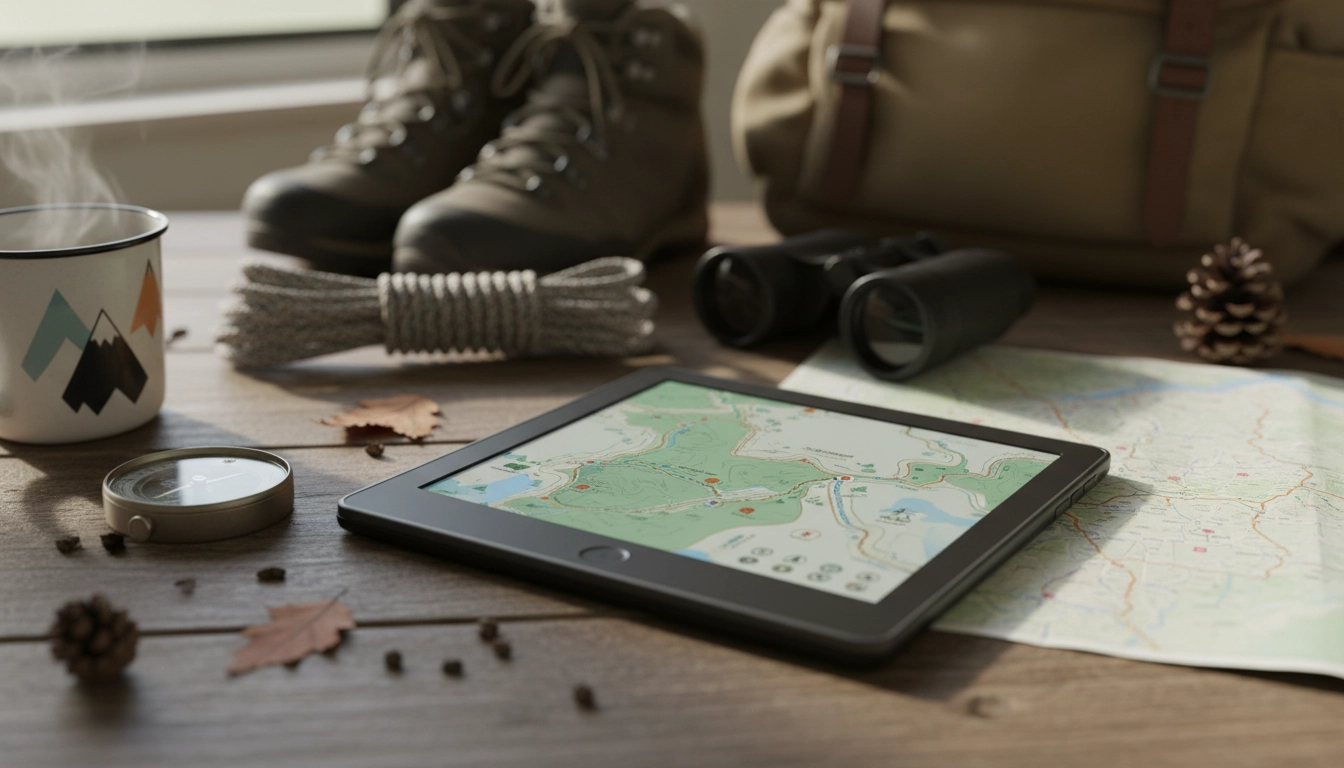
What should a good U.S. national parks travel guide eBook include?
A good U.S. national parks travel guide eBook should help a traveler go from “where do I start?” to “I’m ready to go” without needing to hunt across dozens of websites. The strongest guides balance inspiring highlights with practical planning details that work on the road, even with spotty service.
Park-by-park essentials that are actually usable
Look for a clear snapshot for each park: best time to visit, typical weather patterns, top viewpoints and short walks, and a realistic “how long you need” estimate. A strong eBook also notes accessibility options, ranger programs, and what’s uniquely worth prioritizing if a trip is only one day.
Smart planning tools (permits, reservations, and timing)
Many parks now require timed-entry reservations or permits for popular areas and hikes. A good eBook spells out what needs booking, when reservation windows open, and backup options if spots sell out. It should also include crowd-avoidance timing (early entry, shoulder seasons, weekday strategies) and sample itineraries for different trip lengths.
Logistics that prevent common trip problems
Useful guides cover driving distances between key points, fuel and charging considerations, road closures that happen seasonally, and where cell service drops. Include lodging and camping guidance (inside vs. outside the park), plus tips for last-minute availability and cancellation monitoring.
Safety, packing, and park etiquette
A dependable eBook includes wildlife safety basics, heat/cold precautions, hydration guidance, and trail readiness tips. Packing lists should be tailored to park types (desert, alpine, coastal) and remind readers about essentials like headlamps, layers, offline maps, and food storage rules.
For a fast, practical example of what great park coverage looks like, see this guide: 10 Must-See U.S. National Parks: Fast Facts & Planning Tips.
FAQ
How do I choose which national parks to visit on my first trip?
Start with the season and region, then pick 1–3 parks that are close together to reduce driving. Match the parks to your preferred activities (scenic drives, short hikes, wildlife, photography) and your comfort with altitude and heat.











Leave a comment