Printable Homework Planner Must-Haves for Grades 3–8
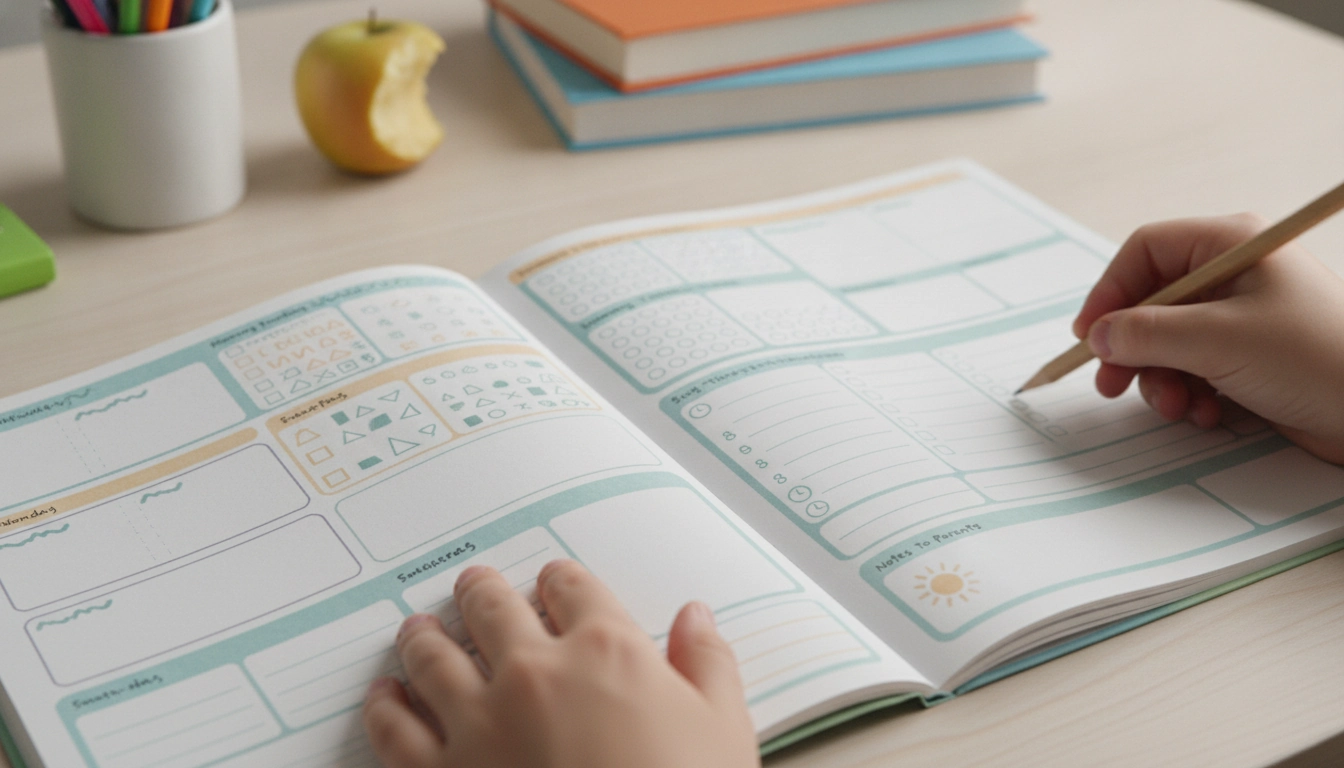
What should be included in a printable homework planner for elementary and middle school students?
A strong printable homework planner should make it easy for kids to see what’s due, what to do first, and what’s already finished—without overwhelming the page. For elementary and middle school students, the best planners combine simple structure with just enough flexibility for changing schedules, multiple classes, and long-term projects.
1) Student info and quick-start directions
Include a spot for name, teacher(s), grade, and a parent/guardian contact line in case the planner gets lost. Add a brief “How to use this planner” box (check boxes, due dates, and where to write materials needed) so students can start independently.
2) Weekly overview with a daily task list
A two-page weekly layout or a one-page week grid works well. Each day should have lines for assignments plus a checkbox column for completion. For younger students, add icons or a “subject” column; for middle schoolers, provide separate lines per class period.
3) Due dates, priorities, and estimated time
Add a clear due-date field and a small priority marker (High/Medium/Low) to prevent last-minute surprises. A “time needed” estimate helps students plan realistic after-school blocks and reduces homework drag.
4) Materials and “bring to school” reminders
A dedicated “Materials” row (book, worksheet, charger, instrument) prevents forgotten items. A small “Pack Tonight” checklist is especially helpful for students transitioning to multiple teachers and classrooms.
5) Space for long-term projects and tests
Include a mini project planner: task breakdown, milestone dates, and a final due date. A tests/quiz tracker keeps studying from getting buried under daily assignments.
6) Routine and accountability supports
Helpful add-ons include a reading log, a behavior/effort note, and a parent/teacher initials box (optional). Keep it encouraging: a short “win of the week” line can boost consistency.
For more printables that support independent learning habits, homework routines, and at-home organization, visit this homework help routine and printables guide.
FAQ
How do you set up a homework routine that actually sticks?
Anchor homework to a consistent trigger (snack, break, then work), use a short daily checklist, and keep supplies in one place. Start with small time blocks and build up as the routine becomes automatic.











Leave a comment