Simple After-School Homework Routine Kids Actually Follow
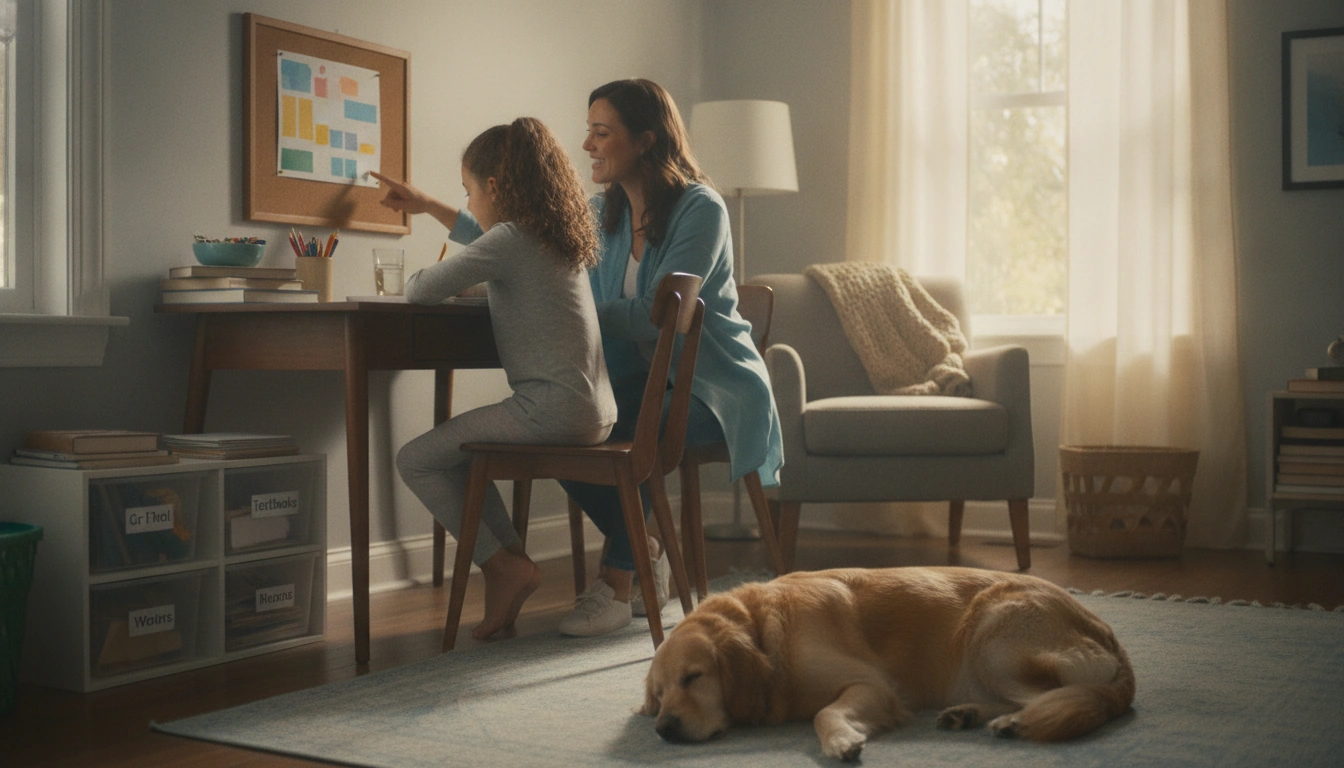
How can parents set up a simple after-school homework routine that kids will follow?
Kids are more likely to follow an after-school homework routine when it’s predictable, short, and tied to the same sequence of events every day. Start by choosing one consistent “anchor” moment (for example: snack, then backpack check, then homework). Keep the rules simple, and build in a clear finish line so it doesn’t feel endless.
1) Pick a consistent start time—and make it automatic
Choose a start window that fits your household (such as 30 minutes after arriving home). Set a repeating alarm or timer, and treat it like a normal part of the day rather than a negotiation. If your child needs a reset after school, schedule a 10–15 minute decompression break first, then start.
2) Create a “home base” for supplies
Set up one homework spot with pencils, paper, charger, headphones, and any commonly used tools. Reducing trips around the house cuts down distractions and arguments. A small bin or caddy works well and can be stored nearby when not in use.
3) Use a quick checklist kids can follow on their own
A short checklist makes expectations concrete: (1) unpack, (2) check assignment list, (3) start easiest task, (4) ask for help only after trying, (5) pack finished work. Post it where they work so you don’t have to repeat directions.
4) Work in short bursts with planned breaks
Many kids do better with 10–20 minutes of focused work followed by a 3–5 minute break. Keep breaks predictable (water, stretch, quick movement) and avoid screens if they make it hard to restart. End with a two-minute “pack up and preview tomorrow” routine.
5) Keep rewards simple and tied to effort
Instead of paying for grades, connect privileges to following the routine: “Homework routine first, then free time.” Praise specific behaviors (starting on time, sticking with a tough problem, checking work) so kids know what to repeat.
For a more detailed, kid-friendly setup (including printables and independent-learning ideas), visit this homework routine guide.
FAQ
How long should an after-school break be before homework?
Aim for 10–30 minutes, depending on your child’s age and how drained they are after school. Keep it consistent and set a timer so the break doesn’t stretch into the whole afternoon.










Leave a comment